
International Trade

Featured Articles
The Link between Outward-Looking Trade Policies and Rapid Economic Growth
Since trade started being emphasized as a locomotive of growth, export promotion trade policies have become a popular option for countries in search of higher economic growth rates. East Asian countries in particular have witnessed a distinct success in terms...
Tanzania Walks Away from the Trade Table
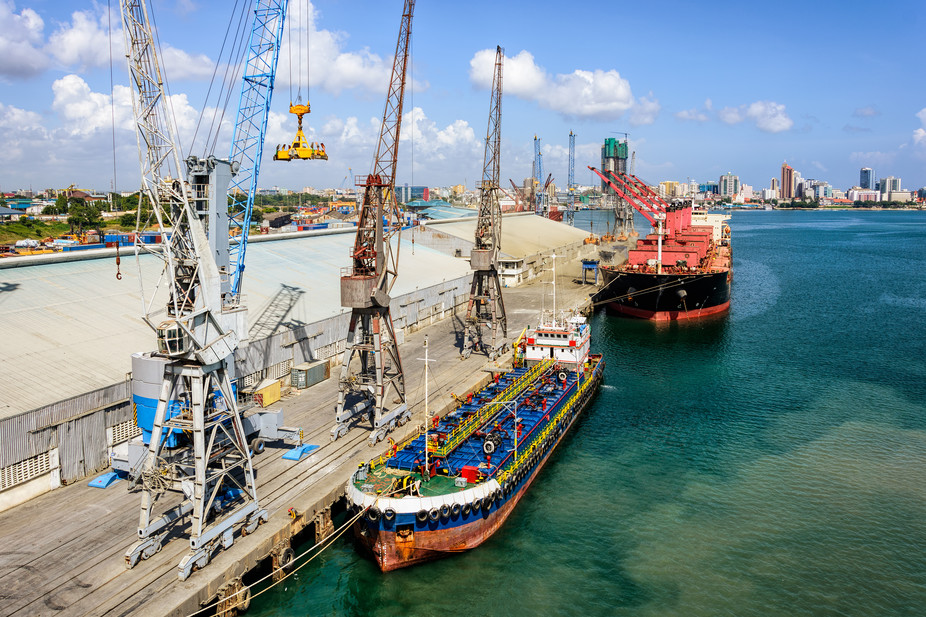
Tanzania’s refusal to sign a new trade deal between the East African Community (EAC) and the European Union (EU) has generated anxious reactions. If news reports are to be believed, plans had been made for a signing ceremony to take place...

With Whom Will the UK Trade?
With Brexit on the horizon, the UK must decide what kind of trade relationship it should craft with the European Union. The cases of Norway, Switzerland, Canada and other members of the WTO offer inspiration. All have varying degrees of...
Stopping the World Trade Freefall in Shanghai
This weekend G20 trade ministers shall meet in Shanghai. It is an opportunity for China to pave the way for the G20 Summit in Hangzhou in September. Led by China, G20 economies could refocus global attention to world trade and...
Some Asian Economies can Enjoy the TPP and RCEP
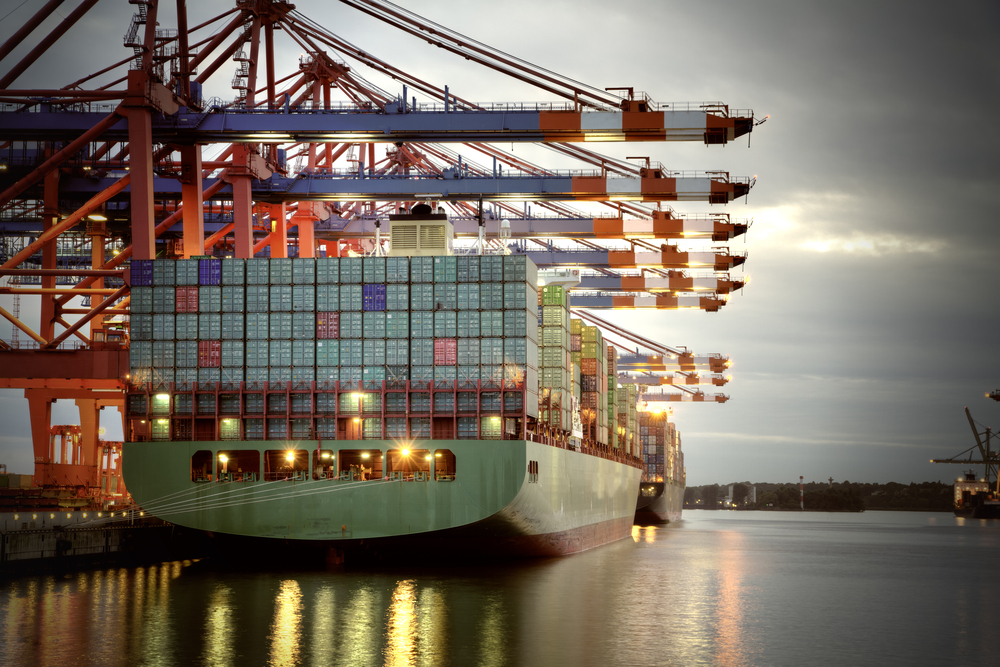
Talks just concluded in Auckland, New Zealand on Saturday show that plans for the Regional Comprehensive Economic Partnership (RCEP) are advancing. Just as both Hillary Clinton and Donald Trump, the next potential leaders of the Trans-Pacific Partnership’s (TPP) biggest partner—the...
The U.K. Ventures into the Great (World Trade) Unknown
While most discussion since the Brexit vote has focused on how the UK will negotiate the terms of its new trading relationship with the EU, much less has been said about the rest of the world. While most discussion...
Bad Brexit Timing for African Exporters
One would certainly be forgiven if, like us, you found yourself doing a double take at the news that Britain’s public voted in favour of leaving the EU. This is because shortly before the Brexit polls closed, opinion polls were...
WTO: The U.S. Must Really not Like Seung Wha Chang
A U.S. decision to block the reappointment of Seung Wha Chang, a South Korean member of the appellate body of the World Trade Organization, has put at risk the independence and credibility of the WTO’s dispute settlement mechanism — the...
Who is Trashing the TPP and Who Can Save It?
The Trans-Pacific Partnership (TPP) is under siege, with presidential candidates on both sides of the aisle voicing increasingly protectionist positions. As the general election gets into full swing this fall, the anti-trade rhetoric promises to reach fever pitch, taking...
TTIP: So Much for So Little
The future of the Transatlantic Trade and Investment Partnership (TTIP) between the US and European Union seems bleak. Beset by doubts and stumbling alongside the UK’s referendum on EU membership, the TTIP is starting to look like an awful lot of...
When an FTA Falls Short
The South Korea–China Free Trade Agreement (FTA), which entered into effect in December 2015, has proved disappointing. The pact excludes too much economic activity and does too little to propel growth in both countries. As a result, South Korea and...
Can Obama Save the TPP?
President Barack Obama’s trip to Asia this week highlights how a key element of his would-be legacy is hanging by a precariously thin thread: the Trans-Pacific Partnership (TPP). President Barack Obama’s trip to Asia this week highlights how a key element of his...
Maybe India isn’t Interested in American-Style Trade Rules
On 2 May 2016, US President Barack Obama published an op-ed in the Washington Post in an attempt to bolster support for the highly controversial Trans-Pacific Partnership (TPP). The TPP has become a political football in the US election primaries,...
Intra-Regional Trade Lagging in South Asia
Recent decades have witnessed a growing trend towards regional economic integration. As of February 2016, some 625 notifications of regional trade agreements had been received by the WTO and of these, 419 were in force. However, South Asia is still...
Working on the (Global Value) Chain Gang
ASEAN is on the lookout for ways to accelerate trade facilitation and eliminate trade barriers by 2025 under its new 10-year ASEAN Economic Community (AEC) roadmap. Extensive research has demonstrated the vital role of global value chains (GVCs) in enhancing...


