
Personal Finance


-
 8 September 2016
-
 31 August 2016
-
 12 August 2016
-
 26 July 2016
Featured Articles

Don’t Stress Your Stress Test
The results of the latest stress tests on European banks are expected to be released at 10:00 am CET (5:00 am ET). The tests cover a little more than 50 of Europe's largest banks, with around 80% domiciled in the...
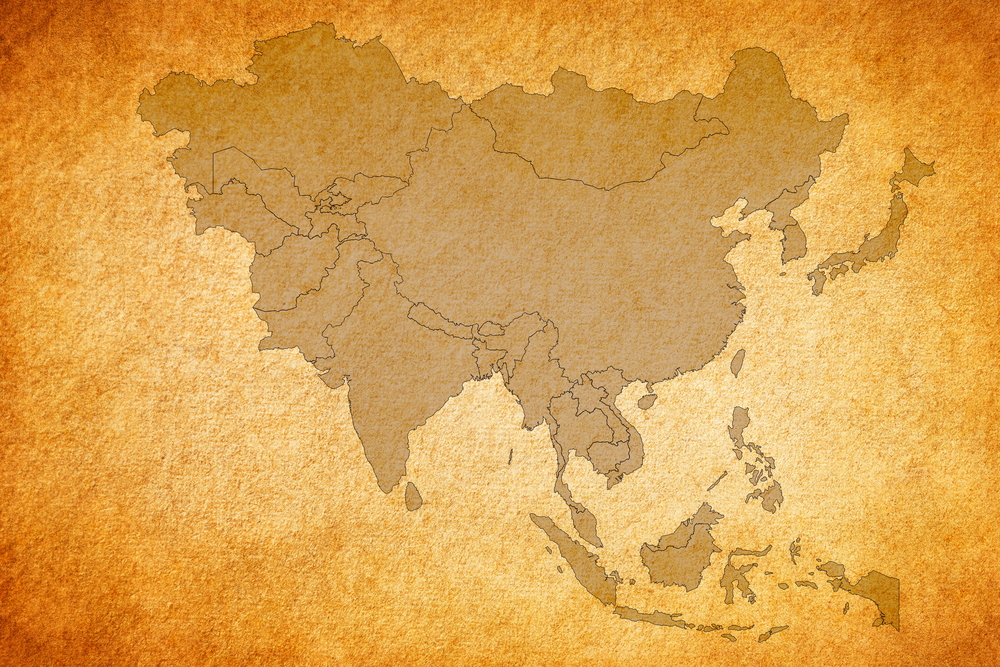
Digital Finance’s Rapid Growth Across Asia
Over 31 million consumers in Vietnam researched or purchased a product online in 2015. Just ten years ago, internet connectivity was only starting to become common. Digitization is changing how people trade. There are even more dramatic changes happening under...

Australia’s Coalition Government has a Plan to Deal with Tax Avoidance
Although the Coalition government has been reinstated, it is still faced with the problem of dealing with multinational tax avoidance. The issue escaped a lot of scrutiny during the election campaign and the current measures designed to address the issue...
Italy’s Banking Mess should be used to Fix its Bad Loan Situation
The FTSE Italian bank index was down nearly 40% this year through the day of the UK referendum. It fell another 33% from the results of the referendum to the middle of last week. In recent days, investors appear to...
Less Stress Doesn’t Mean No Bank Failures
Last month, the Federal Reserve announced that 31 out of 33 U.S. banks had passed its latest “stress test,” designed to ensure that the largest financial institutions have enough capital to withstand a severe economic shock. Last month, the Federal Reserve announced that 31 out of...
In a Bank Bail-In/Bail-Out, Who Loses First?
After the 2007-2008 bank recapitalization by governments, which means taxpayers' money, Europe changed the rules. The new rules require that private investors be "bailed in" before the bank is "bailed out." Europe's fastidious with rules allows for exceptions and flexibility. ...
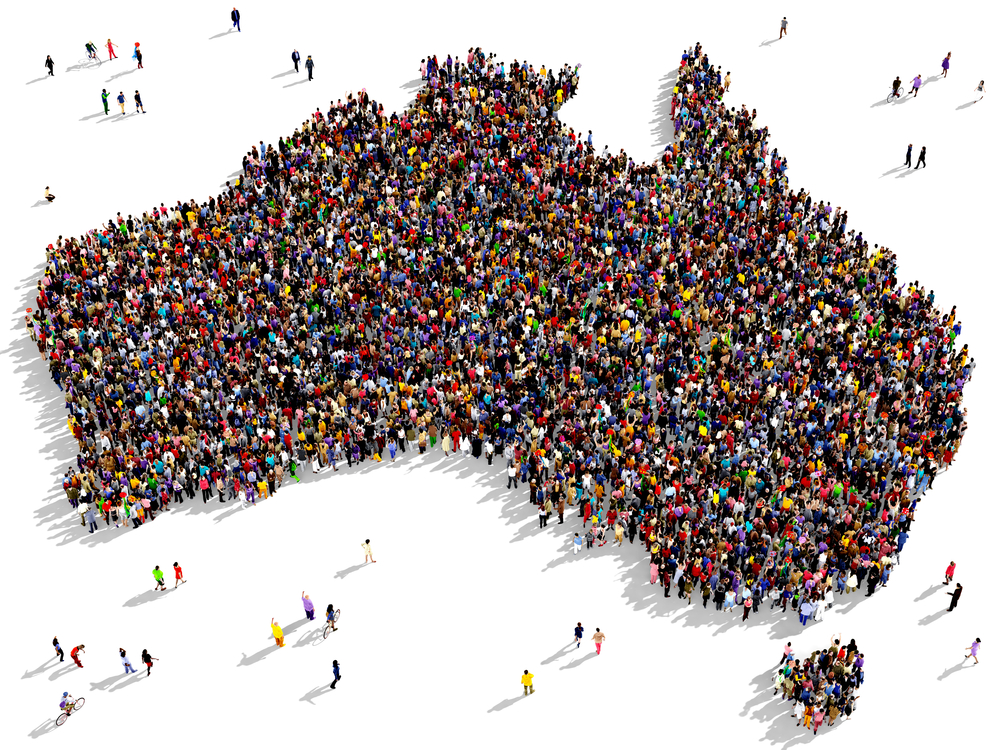
Despite Consumer Chagrin, Australians Face Credit and Debit Card Surcharges
New standards on how much businesses can surcharge their customers for credit or debit card purchases start in September. However, it’s not clear how the rules will be policed and whether this will lead to all businesses enforcing a surcharge,...
Dealing with Italian Banks’ ‘Pre-existing Conditions’
How exceptional are market developments? Much rests on the answer. If these are extraordinary circumstances, then Japanese intervention becomes more likely. Of course, Japanese policymakers have been inclined to intervene before the UK referendum but were seemingly rebuffed by its...

Should Student Loan Debt Forgiveness Go Beyond the Defrauded?
Outstanding student loan debt in the United States reached a record US$1.35 trillion in March, up six percent from a year earlier. About 10 million people who borrowed from the government’s main student loan program – 43 percent – are currently behind...

The Soda War, Your Wallet and Waistline
Soda drinks are under attack in the US and the UK, but the weapons employed on the two fronts are different. Soda drinks are under attack in the US and the UK, but the weapons employed on the two fronts...
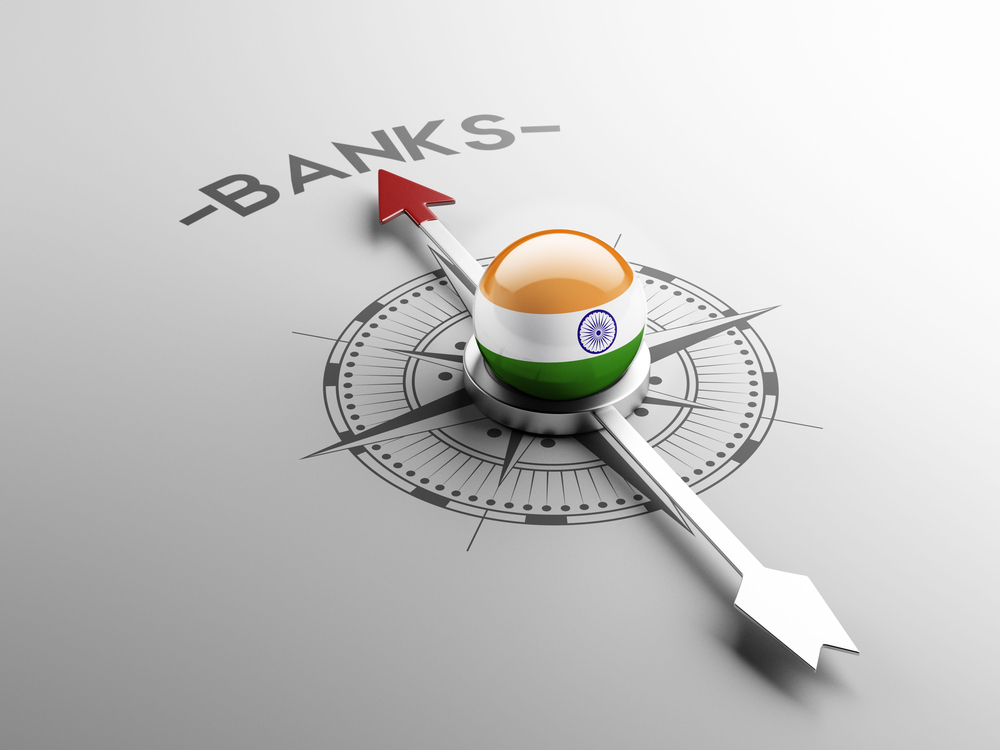
Are Fewer Indian Public Sector Banks Better?
In India’s most recent budget, Finance Minister Arun Jaitley formally announced that it would slash the number of Indian public sector banks from the current 27 to just 10. Consolidating India’s public sector banks will result in improved efficiency, greater...

Corporate Venture Capital Programs are on the Rise
Large established firms increasingly rely on external sources for innovation. One way these firms are seeking to foster innovative activity is via corporate venture capital programs. According to the National Venture Capital Association (NVCA), established firms invested more than US$4...
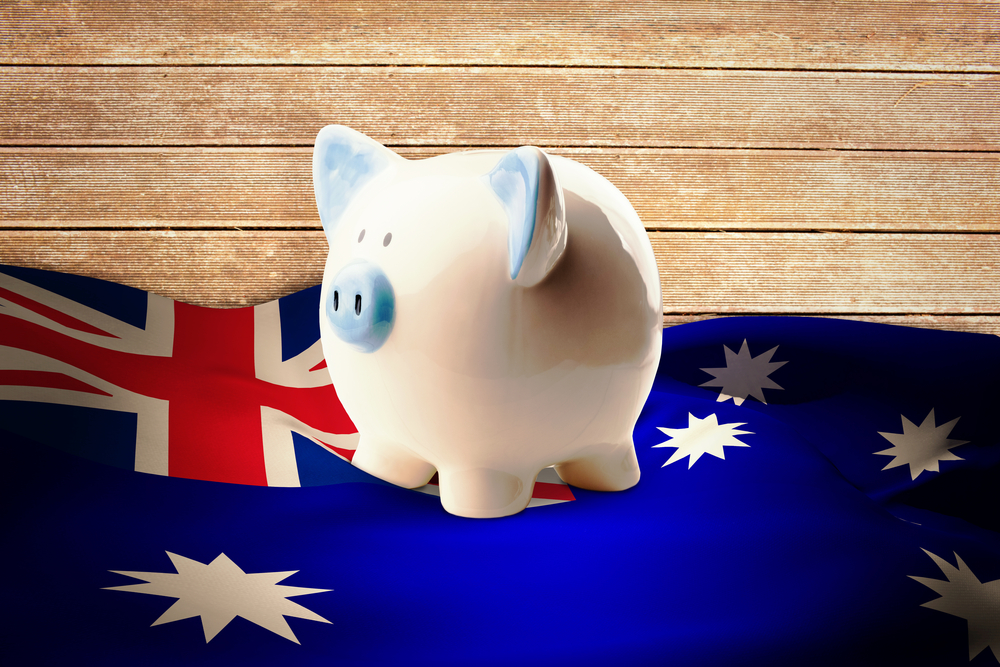
Australia’s Retail Banking may go the Way of the UK
The idea of separating out the arms of the “Big Four” banks like insurance and superannuation from their core banking business is gaining traction in Australia. It featured in the Greens' banking and finance election policy. However, this is not a new idea;...

Fintech has Lowered Asia’s Financially Excluded
Due to innovations in financial technology and changes in the enabling environment, the number of financially excluded adults across Asia and the Pacific has dropped to about 1 billion. Increased access to affordable financial services can be a lever for...

Tax ‘Super Changes’ are Taxing
Any change in taxation invariably raises questions about distribution. Who loses, who wins – and who loses most – will always be an issue. However, such analysis should be applied with care, lest it miss the bigger picture. Any change...


