
United States


-
 17 August 2016
-
 27 July 2016
-
 16 June 2016
Featured Articles
Off to Electoral College
This infographic was in the Wall Street Journal on the US election. It is important to remember that the US does not elect the President by direct popular vote. This makes the national polls a bit misleading. There are 538...
Experts: Don’t Panic, it’s Just One Jobs Report
Editor’s note: The U.S. economy added a disappointing 38,000 jobs last month, the smallest number in more than five years, according to seasonally adjusted figures from the Bureau of Labor Statistics. The weak numbers suggest a June interest rate hike – which...
Are We Missing a Big Infrastructure Opportunity?
The US presidential selection process is well underway, and yet there has been no coherent discussion of fiscal policy. In part, this is because it does not appear particularly urgent. The US deficit peaked in 2009 at 10.1% of GDP. ...

Why are People in the U.S. Still Going Hungry?
Unfortunately, even though the U.S. is bountiful and the world’s biggest individual exporter of food, millions of Americans actually are not. Each year the Department of Agriculture runs a nationwide survey to determine how many people go hungry. The latest...

Market Focuses only One Eye on U.S. Jobs because…Recession?
The US non-farm payroll report typically dominates the first Friday a new month. In recent years, it has become among the most important economic reports globally. Not today. The US non-farm payroll report typically dominates the first Friday a new...

ISM Data Shows Services Leaving Manufacturing in the Dust
The October employment data convinced many that a Fed hike in December is a strong probability. On top of the strongest average hourly earnings in several years, the US reported a record increase in September consumer credit. Earlier last week, the US...

We’re Raising Your Rent to ‘Out of Reach’
We just learned America’s rental affordability crisis is as bad as it has ever been. Unfortunately, it is about to get a whole lot worse. The American Community Survey for 2014, released a few weeks ago, found that the number...
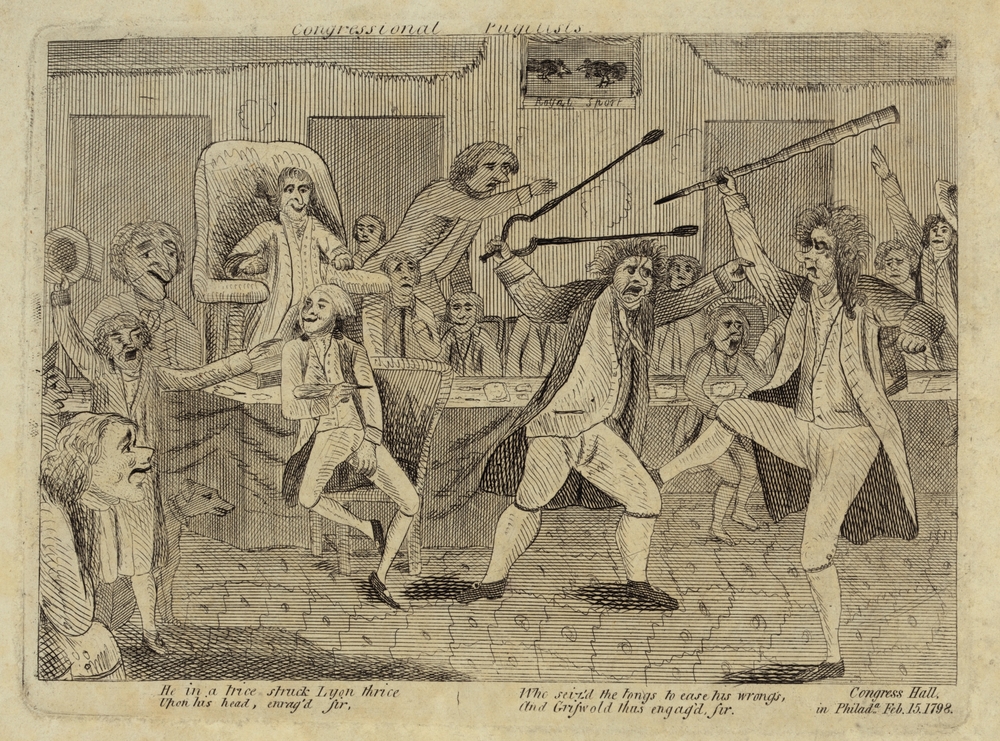
New House Leadership to be more Confrontational?
Two developments make a shutdown of the US government on October 1 less likely. First, the outgoing Speaker of the House made it clear he is determined to avoid the government shutdown, and with his resignation (as of the end...
Fiscal Policy Dragging Down Monetary Policy
The big question these days is when the Federal Reserve will finally raise its target interest rate for the first time in almost a decade. Its monetary policy committee is meeting this week to decide whether to do just that....

A Durable Report
The US dollar and equity futures responded favorably to the stronger than expected durable goods orders. The sizable upward revision in the June shipments (from 0.3% to 0.9%) underscores expectations of an upward revision to Q2 GDP when reported tomorrow. ...

Recent Data is Supporting the Federal Reserve’s View on the U.S. Economy
The US dollar began the new week bid in Asia, but surrendered most of those initial gains before the start of the European session. The lack of fresh news has seen the greenback drift higher in Europe, perhaps waiting for...

The TPA Vote is Near and an FOMC Meeting Looms Over Next Week
The US dollar is set to close the week on a strong note. The relatively constructive data is boosting confidence that the Federal Reserve will have the opportunity it has been looking for to begin, however gradual, the normalization of...

Though a Recession is Unlikely, Stronger U.S. Economic Data Would Be Welcomed
The US dollar is enjoying firmer tone as the week winds down. It is up against all the major currencies but the Norwegian krone today. This trims the loss for the week. In fact, the roughly 0.7% decline of the...
U.S. Economic Growth is not Exactly Living up to Forecasts
As I read the news and watch the markets, I am struck by the yawning difference between what is going on with the economy and what is happening with equities. I know the worn out arguments. People are buying stocks...

Is The US Economy Heading Into Dangerous Territory?
The year 2014 was a great year for the United States economy. However, the year 2015 hasn't been the same. While we are still not in dire straits, we're not seeing the consumer spending and job growth that we saw...


