
Markets

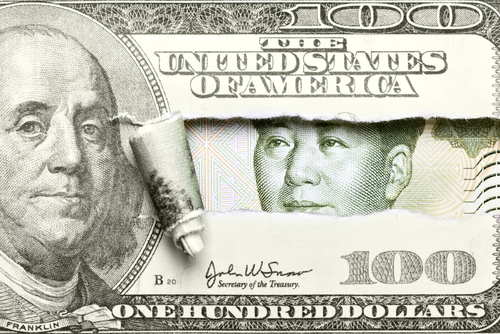
Why The Yuan Won’t Replace The USD As The World’s Reserve Currency
In the eyes of many commentators, the US dollar’s reign as the global reserve currency is under threat from two angles. The first comes from within the US—a permanent deficiency in demand or secular stagnation; and the second from the...

What The ‘Chinese Dream’ Really Means
For a year, President Xi Jinping and Premier have talked about the Chinese dream, while outlining massive reforms to pave the way for the realization of the dream. As the Two Sessions took place in Beijing, China’s leaders took a...

Will Turkey Ever Join The EU?
The EU – whose most powerful members manifestly do not want to extend EU membership to Turkey – is once again going through the ritual of reconsidering the country's application for membership. There are huge pluses and glaring minuses involved...
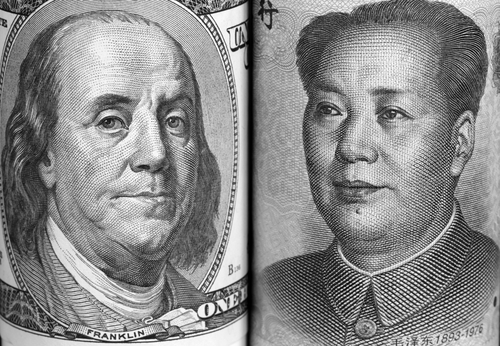
China’s Grand New Strategy Is Very Much In The US Interest: Dan Steinbock
For the first time since the 1980s, Beijing is redefining China’s grand strategy. How Washington responds to these reforms has far-reaching implications in Asia, as well as across the globe. In the 1980s, Deng Xiaoping’s economic reforms and opening-up policies...

Can Islamic Banking Turn Malaysia Into A Global Financial Superpower?
Malaysia’s government has recently announced plans to turn its capital Kuala Lumpur into a major financial centre – rivalling the likes of London, New York, Singapore and Hong Kong. If Malaysia is to join the top flight of international financial...
Eastern Europe’s Shattered Shale Dreams
Shale projects in Eastern Europe are being challenged by delaying tactics of industry majors. Media coverage of shale gas development is positive; but in Lithuania and Poland, global oil & gas companies are one by one dropping bids to...
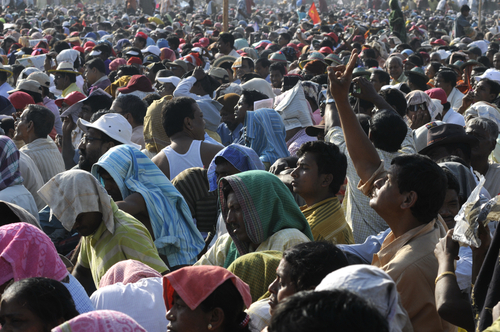
India: Will Populism Trump Reforms Yet Again?
India will need a whole host of domestic and international reforms to re-boost the economy. However in a democracy that is going into an election year, only politically friendly reforms are likely to be undertaken. Can politicians persuade their constituents...
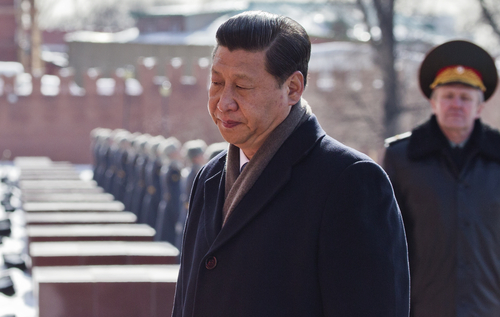
Xi Jinping: China’s Most Important Leader Since Deng Xiaoping?
As Chinese President Xi Jinping prepares for Third Plenary Session of the 11th CPC Central Committee this weekend, he will know that his country has now reached the end of an economic super-cycle first set in motion by Deng Xiaoping...
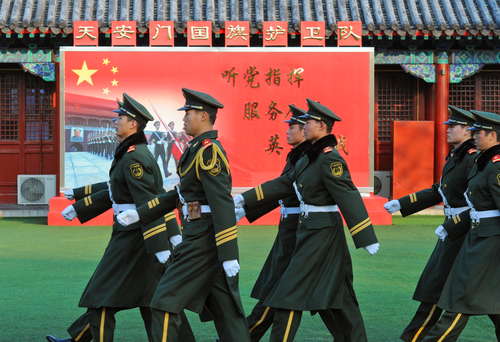
Is The US Responsible For China’s Military Build-Up?
The scale of China’s military build-up has raised flags among Western alarmists. Yet the focus of the military spending appears to be oriented more towards defending China's periphery, rather than any expansionist plans. In fact, one common argument is...

The 3 Biggest Risks Spooking Global Investors
Global investment activity fell by nearly a third in the second quarter of 2013, after two consecutive quarters of increases, according to new OECD data. And unlike earlier stages of the global economic crisis, when emerging economies played a counter...

Why India Must Engage Pakistan’s Middle Class – Now
In the long run, India’s economy cannot grow in an unstable neighbourhood; as such building friendly relations with Pakistan is essential. Yet for too long, India’s approach to Pakistan have been fundamentally wrong; rather than engaging only with the liberal...

BRICS: The World’s New Benefactors?
The BRICS are emerging as one of the world’s largest providers of foreign aid. Yet, the BRICS countries do not regard themselves as “donors” – choosing to work with “development partners”, rather than “aid recipients”. This has both positive and...

Can Neuroscience Help Us Understand Financial Bubbles?
Five years on from Lehman Brothers' collapse and “where did it all go wrong?” analysis is all the rage. Answers have varied: poor regulation, malicious bankers, dozy politicians, greedy homeowners, and so on. But what if the answer was in...
China’s Hidden Debt Problem: An Unavoidable Crisis In The Making?
Estimates for China’s local government debts are now close to $3.3 trillion. Some analysts though believe that the government need not be duly concerned about rising bad debts in its banking sector, as their central bank’s extensive foreign reserves is...

Eurozone Crisis: How The IMF Managed To Discredit Itself
The IMF loans to Greece, Ireland and Portugal are considered controversial by some analysts. This column argues that these loans – granted without having agreed on convincing paths to manageable debt levels – constituted a substantial departure from IMF principles....


