Latest News





Online reputation management is the way in which a brand builds and maintains its online reputation. In today’s digital world, a company’s online reputation is one of its most valuable assets. Word of mouth still plays a major part in advertising, so what others are saying about your brand online can bring you either success or ruin.
Good reputation management positively markets your brand and counters negative views. Online reputation management means that the brand understands how it is viewed online and takes any necessary steps to change the negative opinions.
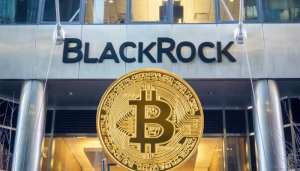
Blackrock Leads $47 Million Investment Round in Securitize to Boost Tokenization Efforts
Blackrock, the largest asset management firm globally, has spearheaded a $47 million strategic investment round in Securitize, a company specializing in the digitization of capital markets. This funding round, which attracted participation from various financial market participants and crypto-native startups,...

Tether Reports Record $4.52 Billion Profits in Q1 2024 Attestation
Tether, a prominent player in the cryptocurrency industry, has released its financial attestation for the first quarter of 2024, revealing a record-breaking profit of $4.52 billion. As of March 31, 2024, Tether's net equity stood at $11.37 billion, underscoring its...

Oregon Becomes the Sixth US State to Revoke Binance.US License to Operate
The Oregon Division of Financial Regulation announced on April 30 that it had revoked the Binance.US license, as the exchange is no longer permitted to accept money for transmission, hold funds, or facilitate the sale of fiat or cryptocurrency for...

DOJ Counters Motion to Dismiss Charges Against Tornado Cash Developer
The United States Department of Justice (DOJ) has taken a significant step by opposing a motion to dismiss criminal charges against Roman Semenov, the creator of the cryptocurrency mixing service Tornado Cash. The DOJ stated in a recent court statement...
Debt is the fatal disease of republics, the first thing and the mightiest to undermine governments and corrupt the people.
The most popular are slots. Their graphics, brightness, ease of use, animation attracts users. They also conquer the fact that the rules of the game at casinoroom login they are short and clear, and winnings are often large sums.
He who controls the money supply of a nation controls the nation.
Popular slots are usually collected in the section of the same name, the composition of which is formed based on the frequency of gamers' choice of a particular game https://slots-money.com/free-slot-machines. Bonus rounds in slots are represented by free spins or games of choice. During the prize game, the bet amount is not deducted from the balance, but the gamer can get a payout.
The moment that government appears at market, the principles of the market will be subverted.
Copyright © Economywatch.com. All Rights Reserved
About Us | Contact Us | Terms of Service | Privacy PolicyCrypto promotions on this site do not comply with the UK Financial Promotions Regime and is not intended for UK consumers.
WARNING: The content on this site should not be considered investment advice and we are not authorised to provide investment advice. Nothing on this website is an endorsement or recommendation of a particular trading strategy or investment decision. The information on this website is general in nature so you must consider the information in light of your objectives, financial situation and needs.
Investing is speculative. When investing your capital is at risk. This site is not intended for use in jurisdictions in which the trading or investments described are prohibited and should only be used by such persons and in such ways as are legally permitted. Your investment may not qualify for investor protection in your country or state of residence, so please conduct your own due diligence or obtain advice where necessary. This website is free for you to use but we may receive a commission from the companies we feature on this site.
Registered Address: Clickout Media Ltd AA PH, Camilleri Buildings, Oratory Street, Naxxar, NXR 2504 Malta Company Number 103525