
Markets

A Preview of this Week’s Events Among the Emerging Markets
Overall, the investment climate for EM is likely to remain negative in this strong dollar environment. A weaker than expected official China PMI over the weekend didn't help matters. Indeed, most of the Asian PMI readings out already came in...

The Current State of the Global Investment Climate
There are three elements to the investment climate: The divergence between the US on one hand and Europe and Japan on the other, the drop in many commodity prices, including oil, and the slowing of the Chinese economy. Last week,...
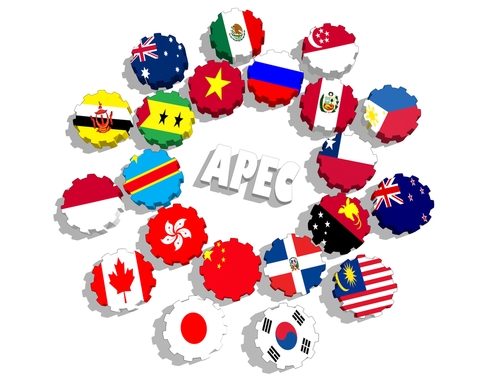
The APEC Summit Looms Large for Asian Geo-politics
Regional economic cooperation in Asia and across the Pacific was developed around the idea of open regionalism and building the capacity for regional development in the global, multilateral trading system. Global institutions — the GATT and then the WTO —...
Japan Impresses with its FIT (Feed-In-Tariff)
The effects of Japan’s feed-in tariff (FIT) for renewable energy have been impressive. Since 2011, Japan has seen a massive expansion of solar photovoltaics (PV). The size of the domestic market increased from 1GW in 2010 to almost 7GW in...

An Update on the Emerging Markets
1) Indonesian Finance Minister Bambang Brodjonegoro said the government will probably raise subsidized fuel prices before year-end 2) Dilma Rousseff was re-elected as President of Brazil 3) Brazil’s central bank delivered a hawkish surprise too on Wednesday, hiking rates by 25 bp...

How Important to China is the WTO Ruling on Rare Earths?
In August, the Appellate Body of the WTO ruled that China’s export duties, quotas, and administration of rare earths, tungsten and molybdenum products violated various provisions of the GATT and the Accession Protocol that China promised to implement when it...
The ECB and BOJ Will Each Meet with New Inputs
The market is generally expecting a dovish FOMC statement. We have argued that it will most likely be little changed, except for modification relating to the asset purchases. Keen interest will be on its references to inflation. The market...
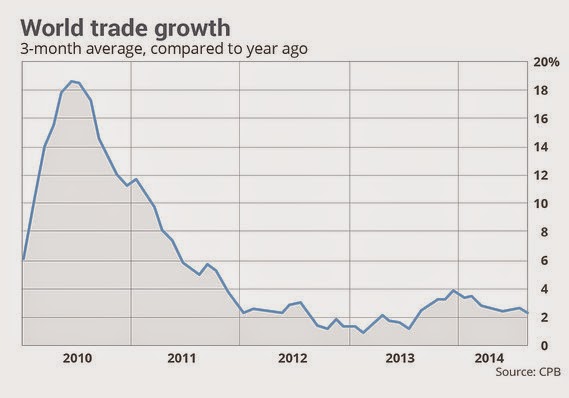
Slowing World Trade Does Not Have to Mean Less Globalization
This Great Graphic is from the Dutch Bureau of Economic Policy Analysis (CPB), and was posted by Steve Goldstein at MarketWatch. It shows the three-month average year-over-year growth rate of global trade.The growth of trade slowed dramatically in from the...
The Markets Await the Fed Statement on Quantitative Easing
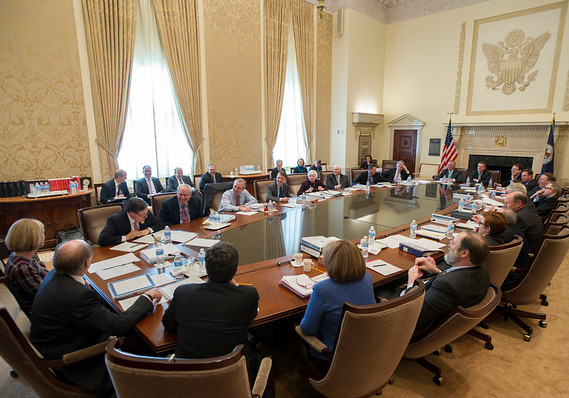
The US dollar is narrowly mixed in quiet turnover. The historic FOMC meeting that announces the end of QE is finally at hand. This marks a new phase, post-QE, for monetary policy, and the US economy more broadly. Although there...
The Week Ahead in the Emerging Markets
Global risk-off sentiment and the reelection of Dilma Rousseff as the Brazilian president is setting EM off on the back foot to start the week. However, the lack of large moves in the dollar could mean that negative sentiment will...
The Next APEC Summit Presents Many Challenges for China
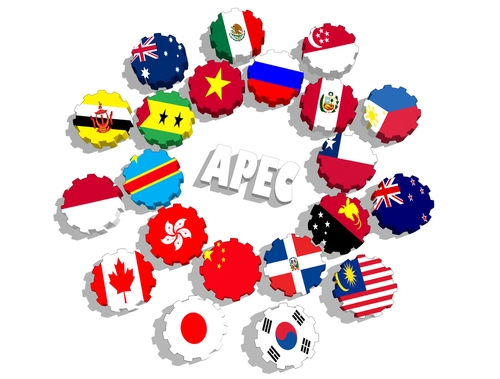
The APEC summit is just over a week away and all stops are out in Beijing to make it an economic and diplomatic triumph, despite the huge underlying challenges in managing China’s relations with the region. The primary goals and...
Japan’s Abenomics May Be Losing Steam in its Second Year
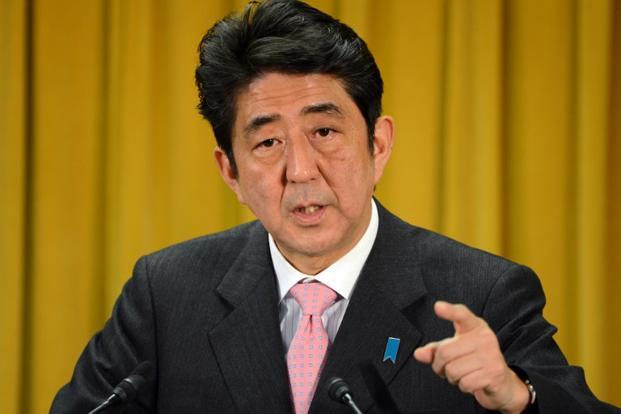
As the second year of Abenomics progresses, Prime Minister Shinzo Abe’s program of coordinated monetary and fiscal stimulus and structural reform has lost some of its lustre. Not only have Abe’s approval ratings fallen below 50 per cent for the...

Global Economic and Market Preview
The week ahead is eventful. Investors will learn of the results of review and stress test of European banks. The Federal Reserve meets, as do three other central banks (Bank of Japan, Sweden's Riksbank and the Reserve Bank of New...
Currency Review and other News from the Markets
The US dollar gained on most of the major foreign currencies last week, but the overall tone, leaving aside the yen, was largely consolidative in nature. The greenback was soft in the first half of the week but recovered in...

Help for Thailand’s Economy Can Come via Infrastructure Spending
In May 2014, the Thai army, known as the National Council for Peace and Order (NCPO) staged a coup d’état to prevent civil war breaking out after months of political deadlock and administrative paralysis. Since then, the interim constitution has...


