
Markets

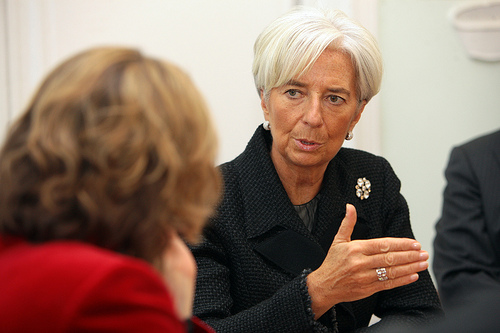
Why the Eurozone Must Stop Blackmailing the IMF: Simon Tilford
What nerve the eurozone has. On one hand, it prides itself as a highly successful and integrated sovereign currency bloc that lives within its means. Yet, at the same time, eurozone members vehemently insist that the IMF is obliged to...

How China Can Rebalance Its Economy: Michael Pettis
China’s economy is grossly imbalanced, and for years many academics have been talking about an imminent rebalancing. For now, it is clear is that China’s rebalancing act will not be automatic. Rich as China may be, weaknesses in China’s economic...
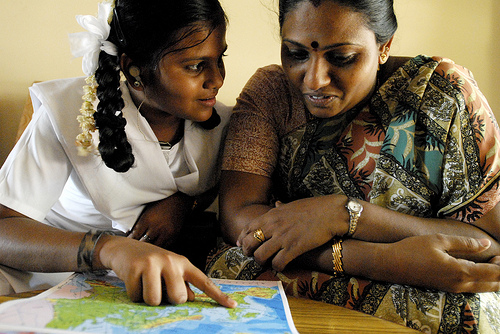
Emerging Markets Need A Higher-Education Rethink: Shaukat Aziz
The rise of emerging markets to prosperity and global influence will be short-lived unless the challenges to longer-term economic growth are addressed. But, a massive increase in the number of competent and motivated leaders and professionals will be needed in...
The World Bank Needs To Reform And Adapt To A Changing World Order: José Antonio Ocampo
In order to be a bank that serves the world’s needs and addresses global challenges, the World Bank needs internal reforms congruous to a changing world order. To find relevance, the World Bank needs to be a truly global institution...

Will Second-Best Solutions Lead To A Second-Rate World? : Mohamed El-Erian
The global community will face two important decisions in Washington, DC this month; they must decide on how to proceed with the European debt crisis as well as on whom to pick as the next World Bank president. Yet, complacency,...

A United Kingdom Divided: Scottish Independence & Its Repercussions
A Scottish vote in favour of independence in a referendum would end the country’s 307-year intermarriage with England. But it would also have huge economic, political and psychological repercussions for the whole of the UK. Scotland has always been the...

China’s Obsession With Stability: Stephen Roach
Given centuries of turmoil in China, today’s leaders will do everything in their power to preserve political, social, and economic stability. That is why they removed Bo Xilai, the powerful Party Secretary of Chongqing, just before a major conference that...
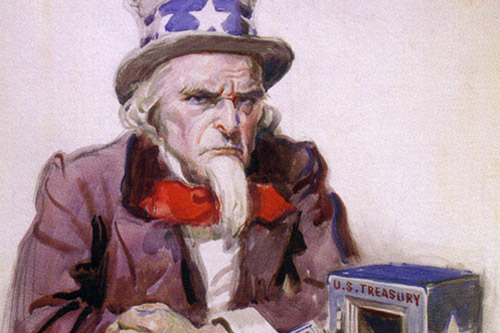
America’s Full Recovery Is Not Yet Guaranteed: Mohamed El-Erian
Having reduced the risk of a relapse into recession, the US economy is now able to move on its own power, albeit gingerly. Consequently, the question on most people’s minds today is whether the US economy is ready not just...
Bailouts Alone Will Not Solve Europe’s Fiscal Problems: Leszek Balcerowicz
Bailouts appear to be the medicine du jour prescribed across Europe for debt-stricken nations. Large-scale purchases of government bonds by the ECB also seem to be the only focus of creditors and political leaders. But the true key to resolving...
Dead End Economics: The Curse Of Neoclassical Thinking
Neoclassical economics has led us into a cul-de-sac. Although alternatives do exist, neoclassical thought has been so deeply entrenched into our finance ministries, economics departments, banks and other financial institutions, until a widespread belief has now materialised: that fictions...

The Fear Premium Is Driving High Oil Prices: Nouriel Roubini
The world is afraid. Increasing concerns about a military conflict between Israel and Iran has created a “Fear Premium”, which has seen the price of oil soar to nearly $125 per barrel – even as the global oil supply remains...
How China Can Address Its Economic Challenges By 2030: Justin Yifu Lin
In the next 20 years, China will face serious economic challenges: Rising inequality, environmental degradation, external imbalances, as well as an aging society, all present major risks to China’s future. With the nation heading for an inevitable slowdown, can its...

Zimbabwe’s Descent Into Darkness: Robert Mugabe & The Energy Crisis
Zimbabwe consumes more energy than it can produce; and in order to meet this energy shortfall, the country has been importing energy from its neighbours. But what happens when Zimbabweans can no longer pay for their energy, and how did...
The World Bank, Debt, and The Middle Kingdom’s Middle-Income Trap: Michael Pettis
China’s woes do not stem directly from the fact that its local governments are struggling to repay its bank loans. After all, it has been correctly argued that the Chinese government can afford to, and will most likely allow the...
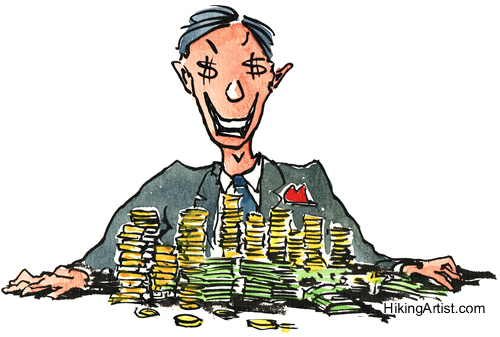
Inequality In Retrospective – The Hidden Effects Of The Income Gap: Raghuram Rajan
The everyday inequality that most Americans face has deep pernicious effects, which go beyond the typical arguments discussed during the “1% versus 99%” debate. But while these effects are fairly unknown, they still play a role in our daily lives...


