Credit Report

Please note that we are not authorised to provide any investment advice. The content on this page is for information purposes only.
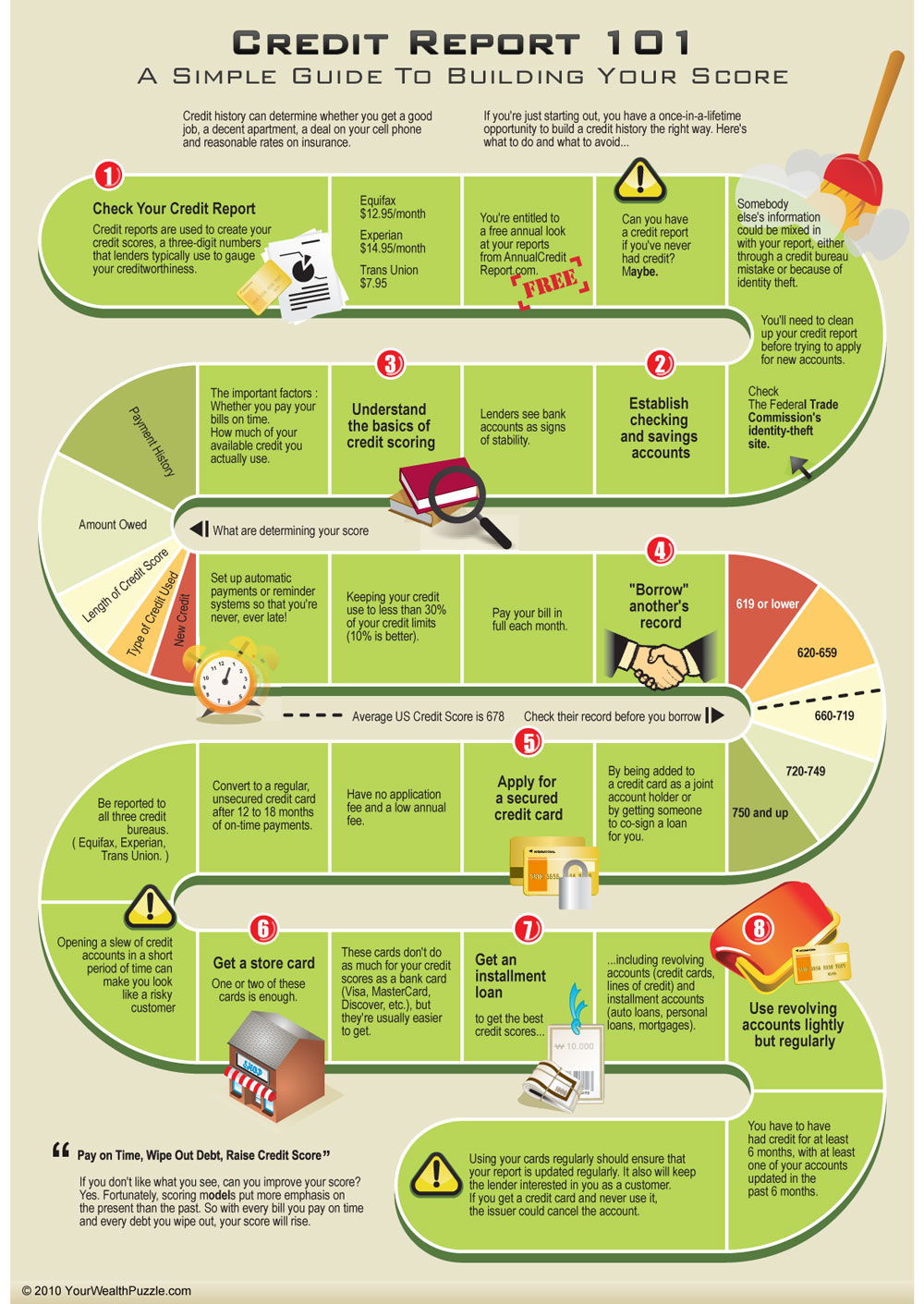
A credit report is important for everyone. When you make purchases by credit, your payment history is reported to the three major credit reporting agencies. Many companies will review your credit history to determine if they want to do business with you or give you a loan or credit.
A credit report is important for everyone. When you make purchases by credit, your payment history is reported to the three major credit reporting agencies. Many companies will review your credit history to determine if they want to do business with you or give you a loan or credit.
About Credit Reports
The credit report is an important determinant of an individual’s financial credibility. They are used by lenders to judge a person’s creditworthiness. They also help the person concerned to understand financial problem areas.
It is imperative for individuals to try and maintain a positive credit report with a good credit score. Negative informationonce imprinted on a credit report usually remains for around 7 years. The comparable time frame for bankruptcy filings is around 10 years. Make sure you clear debts to avoid tarnishing your ratings.
What is a Credit Report?
Credit report is a document, which comprises detailed information about the credit payment history of an individual. It is mostly used by the lenders to determine the credit worthiness of an individual.
Credit report includes information on a variety of issues. Some of them are described below.
It contains personal data, which comprise of past and present addresses, employment history and the individuals social security number.
It also contains the summarized credit history of an individual. Information on the number of accounts and the type of accounts of an individual are available here. Information on ‘good standing’ accounts as also ‘past-due’ accounts are provided in credit reports.
Along with comprehensive account information credit reports also display information about the inquiries made on an individual’s credit history.
Credit reports contain information:
- Loans
- Recent inquiries
- Credit accounts
- Late payments
- Bankruptcies
Types of Credit Reports:
- Annual credit report
- Business credit report and
- Consumer credit report
The Annual credit report is prepared by each of the 3 US credit reporting agencies, which are Experian, TransUnion and Exuifax. The credit report comprises US consumer credit history. The ‘Fair Accurate Credit Transaction’ alternatively known as FACT states that, all US consumers can avail a free transcript of credit report yearly from any of the above mentioned national bureaus on request. Any subsequent requests for credit reports will entail payment to these US credit bureaus.
Business credit report essentially documents the credit history of business organizations. This report also comes for free.
Consumer credit report involves consumer credit history as documented by US credit reporting agencies. Its primary difference with the annual credit report lies in the fact that consumers can place a demand for it at any point of time in a year. It is not free. Consumers can access online consumer credit reports, which are instant on the payment of the requisite fees.
Do you have a bad credit rating and need Bankruptcy Advice?