News Letter Subscription
Credit Cards - By Country
US Credit Cards
UK Credit Cards
India Credit Cards
India Credit Card Types
Australia Credit Cards
Singapore Credit Cards
Canada Credit Cards
Malaysia Credit Cards
Pakistan Credit Cards
South Africa Credit Cards
more...
Credit Cards - By Type
Visa Credit cards
Prepaid Visa Card
Master Card
American Express
Corporate Cards
Business Credit Cards
Debit Cards
more...
US Credit Card Issuers
Chase Credit Card
HSBC Credit Card
Citibank Credit Card
Wachovia Credit Card
Washington Mutual Credit Card
Juniper Bank Master Card
Providian Credit Card
Elan Credit Card
Presidents Choice (PC) Master Card
Western Union Maseter Card
Exxon Mobil Credit Card
Gap Credit Card
Walmart Credit Card
Sears Credit Card
Disney Visa Credit Card
Paypal Credit Card
Geico Credit Card
more...
International Issuers
Credit Card Companies
Lloyds TSB Platinum (UK)
HDFC Credit Card (India)
HSBC India Credit Card
more...
Personal Finance
Banks
Credit Cards
Mortgages
Real Estate
Credit Reports
more...
 

ATM Card (ATM Cards, ATM Credit Cards)

An Automatic or Automated Teller Machine or ATM card is a magnetic-stripped bank card that was primarily introduced to allow customers to withdraw cash from their account without human intervention. Ever since its introduction in the late 1960s, ATM cards are rapidly gaining popularity. This fact is substantiated by the biennial global ATM study conducted by Retail Banking Research Ltd (RBR) in over 170 countries in 2007. According to the survey, the global ATM base grew by more than 130,000 units during the year. The report also predicted that the total number of ATMs across the world would cross 2.5 million by 2013. The popularity of ATM cards is a clear indication of people’s preference for fast and non-tedious methods of cash withdrawal.

What are the Functions of an ATM Card?

Although ATM cards were initially developed to dispense cash, they have evolved to such an extent that they can now be used to perform several other bank-related functions. You can also use an ATM card to perform other functions, such as:


  • Paying routine bills, such as utilities, phone and social security fee bills. You can also pay your taxes and legal fees through the card.

  • Getting printed bank statements.

  • Ordering a check book.

  • Updating passbooks.

  • Transferring money from one account to another.

  • Loading money onto your existing value cards, such as the prepaid SIM card.

  • Purchasing postage stamps, lottery tickets, train tickets and concert tickets.

  • Shopping for mall gift certificates.

  • Depositing cash or checks in the account linked to your ATM card.

  • Donating to charities.

Banks are increasingly using ATMs as a sales device to deliver pre-approved loans and targeted advertising using products such as the ITM (Intelligent Teller Machine). ATMs can also act as an advertising channel for companies to advertise their own products or third-party products and services.

Multipurpose ATM Cards

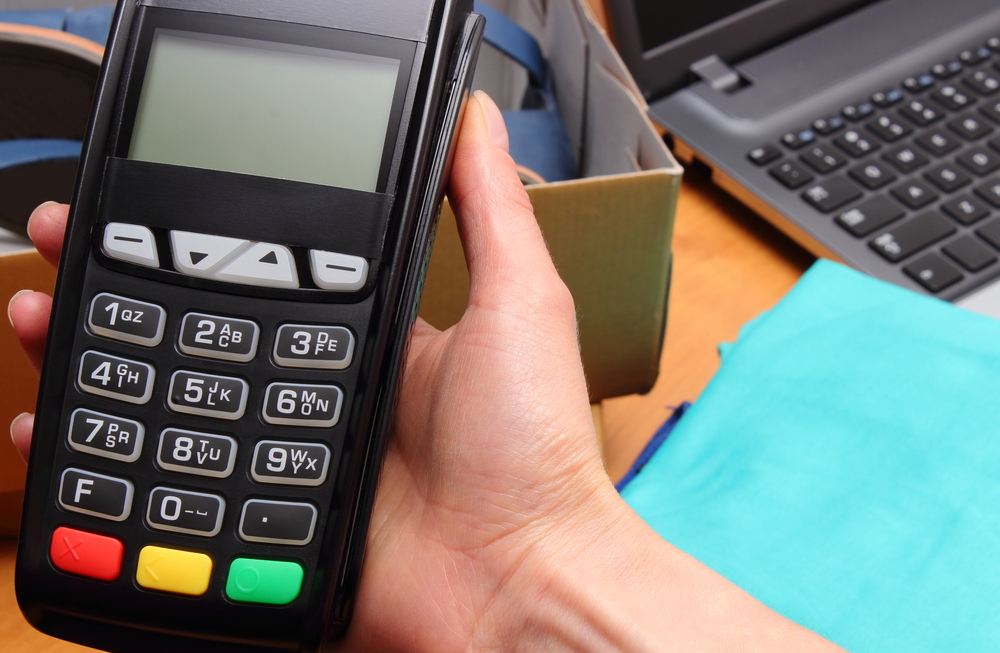
ATM cards can now be used as debit cards and credit cards. The card, popularly known as a bank card, enables a customer to perform banking tasks at ATMs and make point-of-sale transactions. You would, however, need to feed in your PIN number in both cases to complete a transaction. This also means, however, that ATM cards cannot be used to make purchases at merchants who can only accept credit cards.