
Global High-Tech Supply Chain Shaken by Japan Crisis

Silicon Wafers:
Crucial Link in Global Hi-Tech Supply Chain
Credit: pengo-au
23 March 2011.
Silicon Wafers:
Crucial Link in Global Hi-Tech Supply Chain
Credit: pengo-au
23 March 2011.
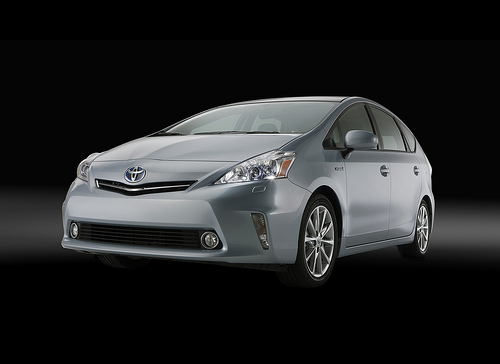
Toyota’s Gas-Electric Hybrid Prius v:
NOT Coming To A US Showroom Any Time Soon
Credit: Toyota UK
22 March 2011.
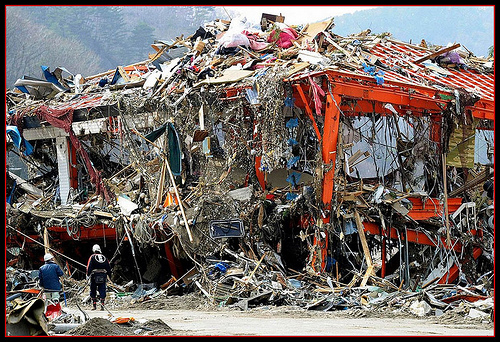
Who Will Pay ???
Credit: Loco Steve
17 March 2011.
Social media on the internet has caused a sensation, literally overnight with the success of YouTube, Facebook and Twitter (mainly). The question on everyone’s mind when it comes to social media is: what makes a campaign go viral in social media?
At first, viral campaigns were accidental, and then the phenomenon was hard to unravel. But as time has gone by and we’ve been able to study trends in viral campaigns, businesses and organizations wanting to reach out to the social media networks have started to harness the power of viral campaigns.
There’s no denying the massive impact and influence the Internet and Social Media has today on the way businesses sell and market their products and services, interact and engage with customers – as well as how people communicate with each other.
The Internet empowers individuals anywhere in the world with information at their fingertips and the ability to communicate and connect with businesses, other individuals who share the same interest and social networks – turning communication into interactive dialogues.
OPEC members including Kuwait, United Arab Emirates and Nigeria have plans to boost output before April by as much as a combined 300,000 barrels a day to cool soaring prices and allay fears of a supply crunch in the west.
Industry officials said the production increase, expected by early April, would – together with an earlier rise by Saudi Arabia – almost make up the shortfall in supply from falling Libyan crude exports.
“Despite the continuing global economic recession in 2009, the total arms sales of … 100 of the world’s largest arms-producing companies increased by $14.8 billion from 2008,” – Stockholm International Peace Research Institute (SIPRI).
With the exclusion of China vendors, the top 100 arms dealers sold US$401 billion in weapons in 2009, with the US leading the way – 8 percent up from the previous year and more than double its revenue in 2001.
Shale gas has the potential to dramatically impact global energy markets with its increasingly significant role in global natural gas markets.
Especially as nations seek lower-carbon fuels while ensuring energy security and economic development.
Demand for natural gas is expected to account for nearly 24 percent of global energy supplies by 2020.
With increase in demand for gas, supplies from conventional sources are depleting- hence driving the gas industry to unconventional sources, such as shale.
The airport retail market has seen massive growth – all around the globe, with Asia Pacific, Middle East and Africa being particularly robust.
Datamonitor Retail reported over 60 percent growth forecast (to US$44.1 billion) in the global airport retail market by 2015.
In addition, the study concluded Asia-Pacific is set to overtake Europe for world’s leading airport market in 2015, doubling sales from US$7.8 billion to US$15.2 billion.
9 February 2011.
In a memorable scene in the “The Social Network,” the actor Justin Timberlake, who portrays the Silicon Valley investor Sean Parker in the movie,
leans over the table and tells the founders of Facebook in a conspiratorial tone:
“A million dollars isn’t cool. You know what’s cool? A billion dollars.”
These days in Silicon Valley, a billion dollars seems downright quaint.


