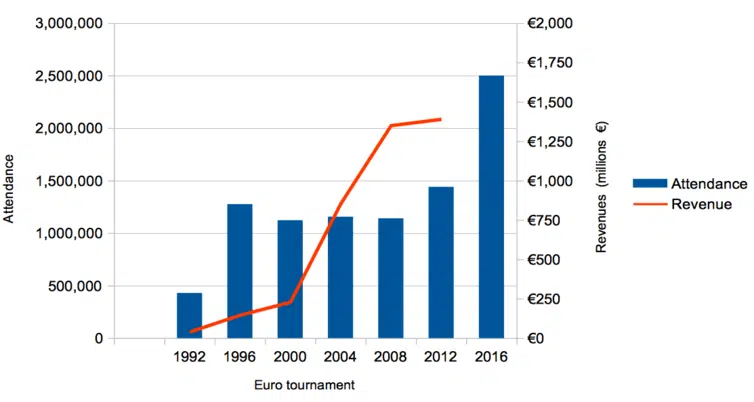
Euro 2016: More Teams Equal More Money


There are two ways of viewing the fact that a record 24 national teams are competing to lift the Henri Delaunay Cup at Euro 2016 in France. Some regard UEFA’s decision to include nearly half of its 55 members as a move to leverage football’s ability to bring people together in a celebration of sport and national identity.
To Watch English Cricket, Show Up Early


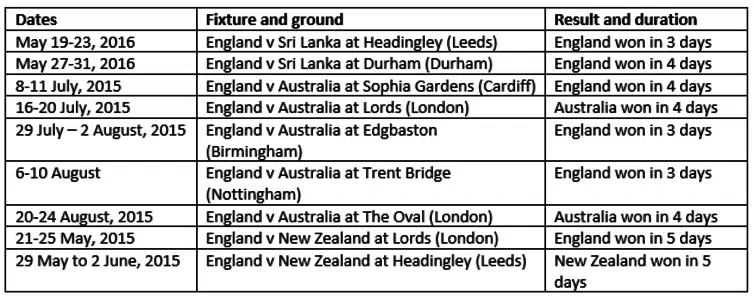
As the touring Sri Lankan cricket team arrives in London for the final test of their three-match series, there won’t be too many people willing to part with their money for a ticket for the fifth and final day.

In fact, given the dominance of the England XI, a brave fan is going to shell out up to £100 in advance for a ticket to a fourth day that may well not happen.

When the Money is Just as Much Madness as the Sport


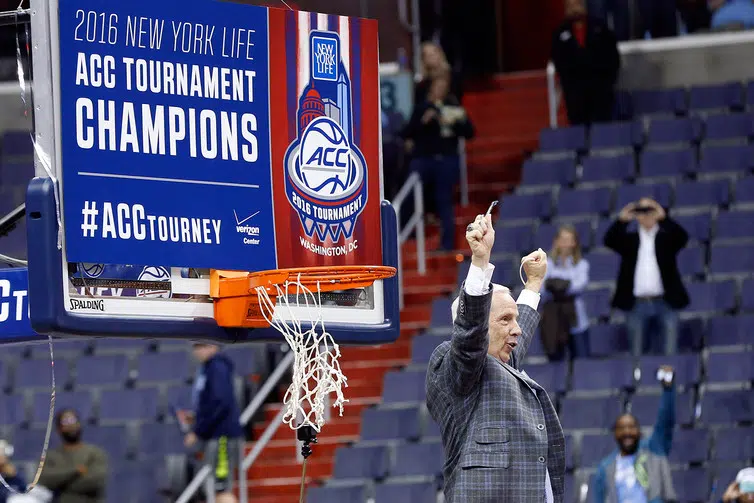
The NCAA men’s basketball tournament starts Tuesday. From then until the final on April 4, CBS Sports and Turner Broadcasting will bring you every game, focusing on the buzzer beaters, the Cinderella stories, the athletes overcoming the odds.

It will all end, as it always does, with confetti guns and net cutting, and a video montage of highlights played over “One Shining Moment.”

Try (Not) Using Your Head


Right in the middle of football’s biggest party week, there was more tragic news on the head injury front. Ken Stabler, the flamboyant Oakland Raiders quarterback who led his team to a Super Bowl victory in January 1977, was found to have had brain disease – chronic traumatic encephalopathy, or CTE – when he died of colon cancer last July.

Tennis and Gambling: Sports Betting Ads Add to the Irony

The tennis world has been rocked this week by allegations that a number of players appear to have fixed matches at the behest of gambling syndicates over nearly a decade.

Tennis authorities scoff at the suggestion that such practices are widespread or that they have ignored information provided to them. They also reject the notion that entering into sponsorship deals with bookmakers – such as William Hill, sponsor of the Australian Open – makes corruption more likely.

The Cost of Football


To an extraterrestrial visitor versed in economics but unfamiliar with the feeling of being a fan, the business of the NFL must seem peculiar.  Pools of ordinary citizens arguing over which group gets to subsidize the construction project of a multi-billionaire, so that they would then have the right to be charged exorbitant fees to watch the billionaire’s collection of mercenary-athletes play a game.

England and Wales Welcome Rugby Fans and Their Wallets


With 20 countries hailing from six continents, the Rugby World Cup is a truly global mega-event. It has come a long way since it was first staged in 1987, when it was broadcast to just 200m people in 17 territories. Now, around 4 billion people in 205 territories will watch 20,000 hours of coverage.  This makes RWC 2015 a unique reputation-raising opportunity for its 11 host cities in England and Wales.

Indian Cricket’s Exploding Brand Value Hits a Sticky Wicket


Just as one of cricket’s great spectacles, a Lord’s test match between England and Australia, gets underway, the sport in India has faced a day of reckoning. The suspension of two of the eight sides in India’s megabucks Indian Premier League (IPL) following an illegal betting and match-fixing scandal shows that cricket has a corruption problem, and is at something of a loss as to how to deal with it.

Could the Super Bowl Use That Much Energy?


In the pantheon of American culture, no event is more iconic and distinctly American than the Super Bowl. Like all things American, the Super Bowl is huge, expensive, and a source of incredible passion for fans. Just running a 30-second commercial to the more than 100 million people that watch the game costs nearly $5 million.

So how much electricity and energy go into putting on the Super Bowl?

Infographic: The Football Economy in 2012


In the 2011/12 season, the average Premier League club revenue was £114 ($176) million, nearly 15 times their level 20 years ago. The spectacular rate of growth reflects the game’s ubiquitous domestic and global profile, the exposure and interest having relentlessly driven revenues. This infographic tracks the development of the football industry, and how it is likely to change in the future.