
A Short, Relatively Illiquid Week Will Still be Filled with News


The calendar impacts the investment climate.  March 31 ends the month, quarter, and for several countries and companies, the fiscal year.  The Easter holiday is typically among the quietest in the capital markets, with many financial centers closed.  After April 1, full liquidity will not return until April 7.
A Solid Start for the Dollar and Equities


The US dollar trended higher in Asia and early Europe, but the gains pared as the European session got under way, and the underlying trends remain intact.  Global equities are also winding down the month and quarter with upticks as well.

Interest Rate Hike in 2015 Likely, Despite Disinflation Fears


The Federal Reserve is likely to raise short-term interest rates for U.S. Treasuries, despite fears such a move could hurt equities and kick start a recession.

Federal Reserve Chairwoman Janet Yellen again reiterated the central bank’s cautionary position on interest rates, suggesting that the Fed will begin to raise rates gradually later in 2015. “With continued improvement in economic conditions, an increase in the target range for that rate may well be warranted later this year,” she said on Friday at a meeting in San Francisco.

Russia Seeks Trade Opportunities in America’s “Back Yard”


Smarting from sanctions leveled by the US and other western nations after its actions in Crimea and the Ukraine, Russia has begun trying to woo Latin and South American nations into more favorable trade arrangements. But, what will the Russians be trying to buy and sell in these nations, and what impact might this have on US economic and security interests?

Can Fed Chair Janet Yellen Be More Hawkish?


As the stock market prepares to close later today, Yellen will deliver a speech on the new normal for monetary policy at a conference hosted by the San Francisco Federal Reserve, of which she was previously the President. The question on many lips today is whether she will be more hawkish than she was at the press conference following the FOMC meeting.

GDP Grows 2.2%, Missing Expectations


The United States saw GDP growth of 2.2% in the fourth quarter of 2014, below expectations of 2.4% growth in a sign that the country’s economic recovery is stalling.

The Commerce Department reported that the second estimate for fourth quarter growth was 2.2%, driven by “positive contributions” from personal consumption expenditures (PCE), nonresidential fixed investment, exports, state and local government spending, private inventory investment, and residential fixed investment. Imports also rose in the fourth quarter.

Oil Price Surges Five Percent in the Wake of Yemen Conflict


Investors are nervous as Saudi Arabia and other Gulf nations commence air strikes in Yemen to combat Houthi rebels. Many fear the battle could affect crude supplies going forward.

U.S. Durable Goods Plummet on Weakening Demand


Durable goods sales contracted in another sign that the U.S. recovery may be stalling.

Despite expectations of growth, durable-goods orders fell by 1.4% in February—the third decline in the last four months even as analysts expected a 0.2% increase in goods for the month. The Commerce Department also lowered estimates for durable goods orders in January, showing a 2% rise versus previous estimates of a 2.8% increase.

Transport Goods Plummeting

The Dollar and Oil Reverse Course Over Several Factors Including Geopolitical Concerns


The US dollar is broadly lower, with the escalation of the conflict in Yemen dragging it down, as are month and quarter-end position adjustments and the ongoing technical correction following last week’s FOMC meeting.  The euro, yen and Canadian dollar are at new highs for the week.  The sharp rally in oil prices is helping spur the short squeeze in the Canadian dollar, and appears to be lifting the Norwegian krone as well.  Oil prices are up 4-5%, on supply disruption worries, but also in recognition that this is part of a bigger conflict between Saudi Arabia and Iran.&n

Contents of the ‘Free’ Public Domain Adding Economic Value


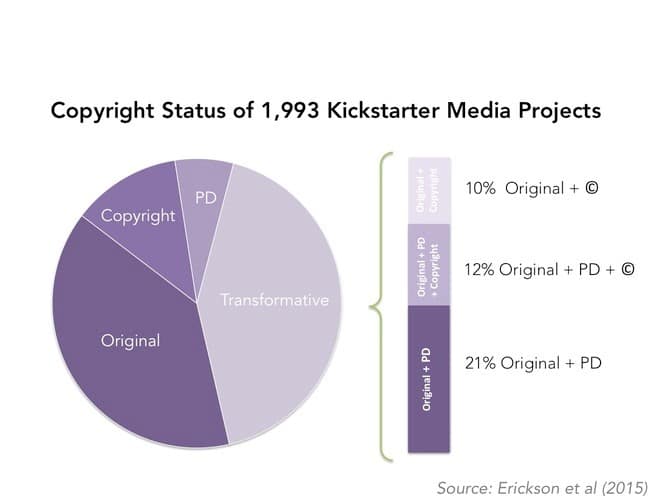
It’s frequently claimed that copyright law should be made more restrictive and copyright terms extended in order to provide an incentive for content creators.

But with growing use of works put into the public domain or released under free and permissive licenses such as Creative Commons or the GPL and its derivatives, it’s possible to argue the opposite – that freely available works also generate value.
