
Achieving Middle-Income Status, only to be Trapped


The middle-income trap has recently come (back) into vogue as a theoretical construct for understanding why some countries seem to stagnate at the middle-income level. The middle-income range is relatively common among contemporary emerging markets globally, so it is not surprising that ‘trap’ discussions focus on this income bracket. However, middle-income trap theory also holds some very valuable lessons for development policy more generally, at all income levels.

Biting the Hand that Feeds You, or Not


Reforming Wall Street has become a key issue in the ongoing presidential primaries.

Bernie Sanders in particular has used his rival’s close ties to the financial industry, including speaking fees and political donations, to suggest Hillary Clinton wouldn’t rein in Wall Street. At the same time, Sanders has tried to highlight his own independence, declaring:

If I were elected president, the foxes would no longer guard the henhouse.

Using a Climate Change Summit to Help with the Economic Crisis Back Home


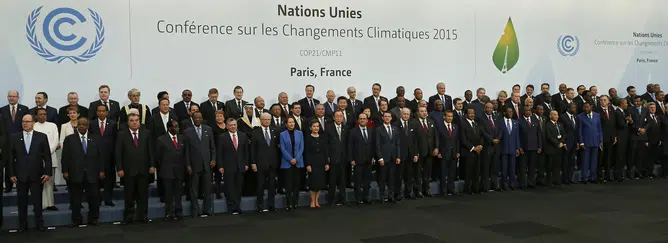
With 190 states taking part in the Paris climate talks, there are clearly some for whom the outcome matters more than others. There are the small states, such as Kiribati and the Marshall Islands, for which a deal to reduce global emissions and curb climate change is a matter of survival. Then there are the big players, such as China, the US, Russia and the EU, upon which a deal will rely.

UK Backs Break-Up of Banks that Fail to Reform


UK Chancellor George Osborne said on Monday that taxpayers will not have to pay for the mistakes and failures of the financial industry, as he pledged to split up big banks that fail to abide by new rules to “ring fence” risky investment activities.
