Please note that we are not authorised to provide any investment advice. The content on this page is for information purposes only. On January 28, the U.S. Securities and Exchange Commission (SEC) issued new guidance, firmly distinguishing between two models for tokenized securities. The agency made clear that using blockchain technology does not alter a… Continue reading SEC Sets Clear Line Between Issuer and Third-Party Tokenized Securities
Please note that we are not authorised to provide any investment advice. The content on this page is for information purposes only. On January 27, research and analytics company, Chainalysis, disclosed in a report that crypto-based money launderers have been stepping away from centralized exchanges. Instead, these companies are now choosing to work with Chinese… Continue reading Crypto Launderers Are Ditching Exchanges, While Chinese Networks Are Filling the Gap
Please note that we are not authorised to provide any investment advice. The content on this page is for information purposes only. General Motors (GM) stock is trading sharply higher in US price action today after an impressive Q4 2025 earnings report. While the automaker comfortably beat Wall Street’s profit expectations and rewarded shareholders with… Continue reading GM Stock Rises After Upbeat 2026 Outlook and Buyback Announcement
Please note that we are not authorised to provide any investment advice. The content on this page is for information purposes only. Tether’s January 26 attestation shows a growing shift toward gold-backed digital assets, with the Tether Gold (XAUT) token expanding faster than stablecoins while Bitcoin struggles with tighter market liquidity. 📉 The combined marketcap… Continue reading Tether’s Tokenized Gold Accelerates While Dollar Stablecoins Grow Slowly
Japan is preparing to launch its first cryptocurrency exchange-traded funds by 2028, marking a big change in the country’s…
Please note that we are not authorised to provide any investment advice. The content on this page is for information purposes only. On January 23, the UK’s Financial Conduct Authority (FCA) launched its final consultation on how Consumer Duty rules will apply to crypto asset firms, which is part of the country’s effort to move… Continue reading UK FCA Nears Final Consultation Stage on Crypto Regulation
Please note that we are not authorised to provide any investment advice. The content on this page is for information purposes only. U.S. banks are escalating a campaign against stablecoins that pay interest. Their opposition intensifies as Congress advances a key cryptocurrency bill, setting up a pivotal legislative fight. The American Banking Association (ABA) is… Continue reading U.S. Banks Challenge Yield-Bearing Stablecoins as Crypto Bill Advances
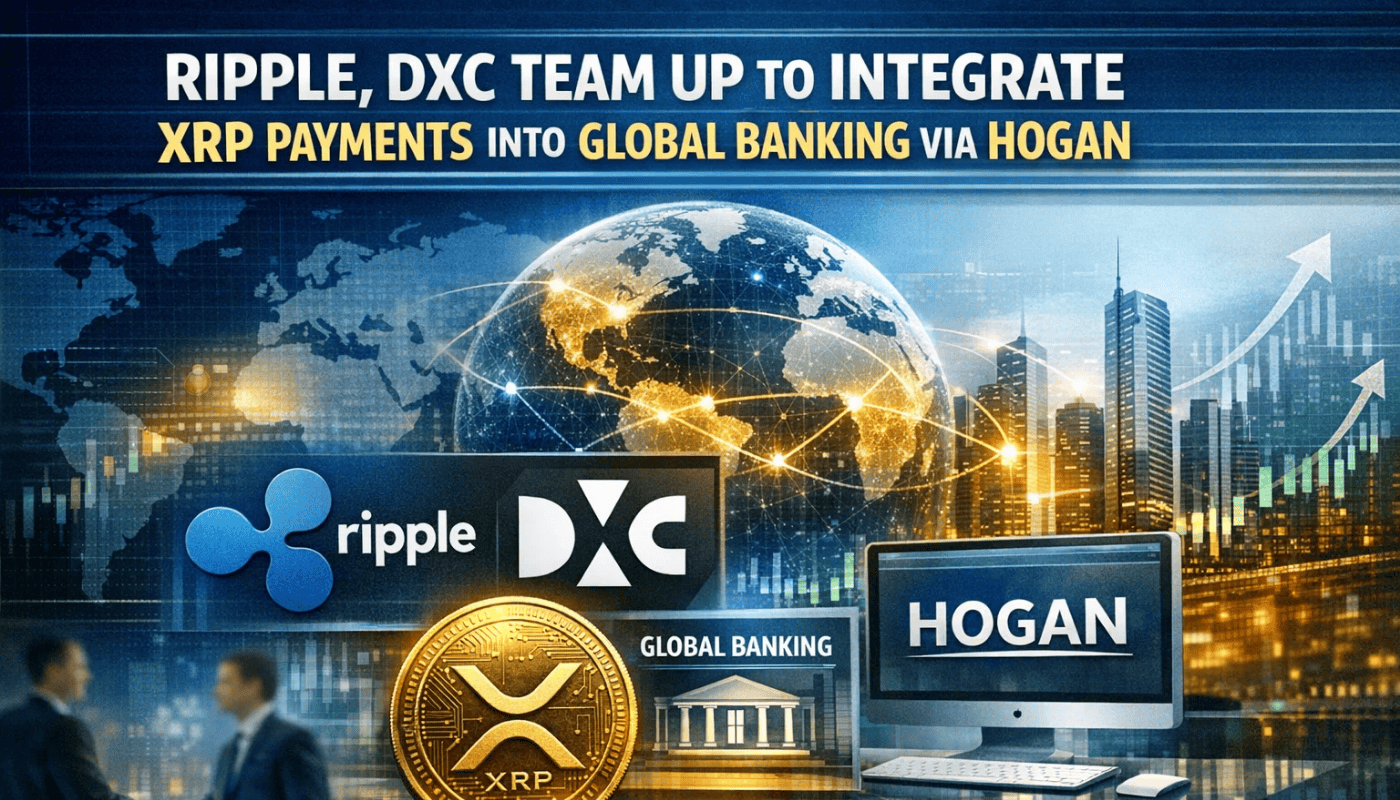
Please note that we are not authorised to provide any investment advice. The content on this page is for information purposes only. Ripple has partnered with DXC Technology to integrate XRP-based payments into global banking systems through DXC’s Hogan Platform. This collaboration aims to scale blockchain payments across international banking networks without disrupting existing infrastructure.… Continue reading Ripple, DXC Team Up to Integrate XRP Payments Into Global Banking via Hogan
ARK Invest predicts that crypto assets could reach $28 trillion by 2030. Can Bitcoin drive the next decade of crypto growth?
Please note that we are not authorised to provide any investment advice. The content on this page is for information purposes only. In a post published on January 20, Ripple President Monica Long shared her outlook for the crypto sector’s direction over the next two years. She said many large companies could end up holding… Continue reading Ripple President Says Many Fortune 500 Firms May Use Crypto by 2026