
Materials Sector


The materials sector is one of the ten Global Industry Classification Standard (GICS) economic sectors. The materials sector consists of companies that explore, discover, develop, and process raw materials. Sometimes also referred to as the “basic materials” sector, it includes the mining and refining of metals, chemical production, and forestry products.

Published
Categorized as Sector

Information Technology Sector


The information technology sector is one of the ten Global Industry Classification Standard (GICS) economic sectors. Sometimes referred to simply as the “technology sector,” it encompasses companies engaged in research, development, and/or distribution of technologically based goods and services. This sector contains businesses focused primarily on manufacturing electronics, creating software, developing computers or other electronic products, as well as the services relating to information technology and support for these devices.

Published
Categorized as Sector

Industrials Sector


The Industrial sector is one of the ten Global Industry Classification Standard (GICS) sectors. It consists of stocks that relate to producing goods used in construction and manufacturing, and it consists of capital goods, commercial and professional services, and transportation. This sector includes companies involved with defense, aerospace, industrial machinery, tools, lumber, and construction.

Published
Categorized as Sector

Health Care Sector


One of the ten Global Industry Classification Standard (GICS) sectors, health care consists of a category of stocks relating to medical and health care services and goods. The health care sector includes hospitals, hospital management firms, plastic surgery and medical spas, biotechnology firms, medical research institutes, and an enormous variety of medical product manufacturers.

Published
Categorized as Sector

Financial Sector


One of the ten sectors of the Global Industry Classification Standard (GICS), the financial sector is a category of stocks containing firms that, as the name implies, provide financial services. These services may benefit both commercial and retail customers, and include banks, investment funds, insurance companies, and real estate.

Published
Categorized as Sector

Energy Sector


“Energy” is one of the ten sectors of the Global Industry Classification Standard (GICS). The energy sector consists of stocks that relate to producing or supplying energy. Companies in this sector include those involved with the production of electricity, the exploration and development of oil or gas reserves, oil and gas drilling, and/or integrated power firms.

Published
Categorized as Sector

Consumer Staples Sector


One of the ten sectors of the Global Industry Classification Standard (GICS), “Consumer Staples” refers to a sector of the economy made up of essential products such as food, beverages, tobacco, and household items. These products are “staples” in as much as consumers are unable or unwilling to cut them out of their budgets regardless of their financial situation.

Published
Categorized as Sector

Consumer Discretionary Sector


One of the ten sectors of the Global Industry Classification Standard (GICS), “consumer discretionary” refers to a sector of the economy made up of businesses that sell nonessential goods and services. This includes many retailers, service providers, media companies, apparel sellers, and automobile companies. Examples of companies from the S&P 500 that fall in the consumer discretionary sector include fast food chain McDonald’s Corp. (NYSE: MCD), household container maker Newell Rubbermaid Inc. (NYSE: NWL), and toy maker Hasbro, Inc. (NASDAQ: HAS) to name but a few.

Published
Categorized as Sector

Is Uber Just a Software Company?


Uber’s arm’s-length relationship with its drivers just got a bit closer after the California Labor Commission ruled that one of the ride-hailing company’s motorists in San Francisco is an employee, not a contractor, as it contends.

This is a big deal because the rights of Uber drivers depend sharply on whether they are employees or self-employed independent contractors hired for particular jobs. By extension, the success of Uber’s business model may hinge on the question as well, but that is for another article.

The Affordable Care Act 5 Years In: How Costly Has It Been?


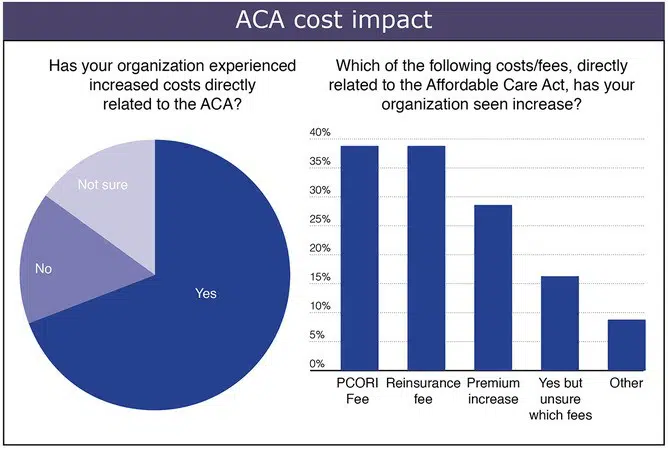
The Affordable Care Act (ACA) was a significant bill, enacted into law in March 2010 with the goal of providing accessible and affordable health care for all Americans. Rising health care costs and insurance premiums – along with the significant number of uninsured individuals – created the impetus for Congress to change the national health care system.

Opponents of the law argued that it – and specifically the employee mandate – would be very expensive for businesses by increasing their insurance costs and harm jobs growth.
