
From Manufacturing to Construction, U.S. Shows Signs of Recovery


After an initial quarter of negative growth in the U.S., new economic data indicates a seasonal pickup began in spring.

From manufacturing activity to construction spending, and from personal income growth to purchasing power, the U.S. showed signs of rebounding strength, after posting a 0.7% GDP decline in the first quarter. That fall stunned economists, many of whom predicted more than 1% annualized growth in the period, as port closures on the west coast and cold weather stifled activity throughout the country.

Personal Income Rises
Though a Recession is Unlikely, Stronger U.S. Economic Data Would Be Welcomed


The US dollar is enjoying firmer tone as the week winds down.  It is up against all the major currencies but the Norwegian krone today.  This trims the loss for the week.  In fact, the roughly 0.7% decline of the New Zealand dollar today, making it the weakest of the majors, is enough to turn it lower on the week.  Fonterra lowered its 12-month projections of dairy supply, especially whole milk powder. 

U.S. Economic Growth is not Exactly Living up to Forecasts


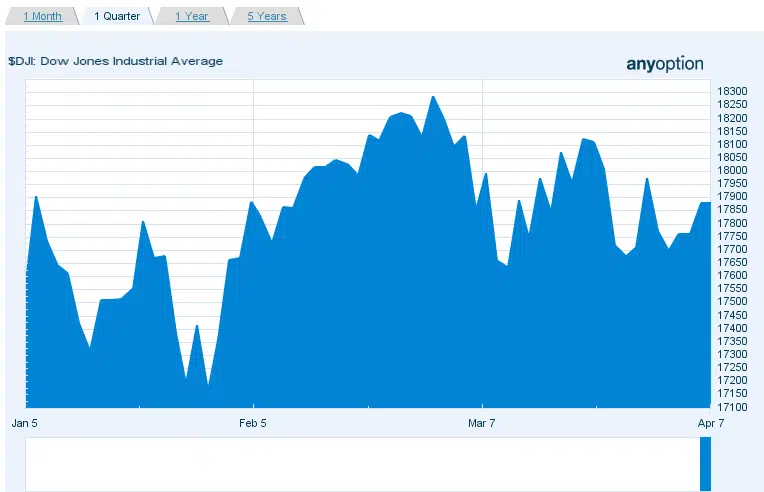
As I read the news and watch the markets, I am struck by the yawning difference between what is going on with the economy and what is happening with equities.

I know the worn out arguments.

People are buying stocks because they do not have many choices. That’s fair, to some extent. The return on stocks (dividends, expected earnings growth) is higher than the interest paid on bonds.

Bank of America Offers Its Two Cents on Conditions Affecting American Economy


Bank of America, the second largest bank holding company in the United States, and the 23rd largest company in the world in 2015 according to Forbes, knows a few things about doing business. That is why when Bank of America offers a report regarding its opinions about current events affecting the United States’ economy, analysts, politicians, and investors all tend to take heed.

Is The US Economy Heading Into Dangerous Territory?


The year 2014 was a great year for the United States economy. However, the year 2015 hasn’t been the same. While we are still not in dire straits, we’re not seeing the consumer spending and job growth that we saw last year. While many experts seem to be brushing the bad data off as healthy trends, I beg to differ. Unfortunately, I think that we may be looking the next major market correction dead in the face if things keep going in the direction they are. Here’s why…

Americans Save More, Spend Less


Americans do not plan to spend money received from their tax refunds or saved thanks to lower gas prices in a sign that aggregate demand remains depressed.

A new survey of over 1,000 Americans by Principal Financial Group showed that over half of respondents do not plan to spend their refunds on consumables, opting instead to save the money or invest it. A significant portion—35% of total respondents—said they will use the money to pay down debt, while a minority 18% said they would buy consumer products such as electronics, jewelry, and clothing.

Demand for Non-Manufacturing Products, Services in U.S. Falls


Americans are demanding less services from non-manufacturing industries in another indicator that the economic recovery is slowing.

A new report from the Institute of Supply Management shows non-manufacturing activity fell from February to March, as the non-manufacturing index (NMI) fell to 56.5 in March, down from 56.9 in February. The NMI showed a fall in business activity and production, supplier deliveries, inventories, and inventory sentiment.

Surprising Labor Weakness in America Prompts Growth Concerns


The U.S. labor market is getting weaker, with less new jobs for unemployed Americans.

The United States saw 126,000 new jobs in March, far below expectations and well below recent job gains. Economists have cut growth forecasts on the news, with expectation that the U.S. economy saw no growth in the first quarter of 2015. The Federal Reserve has cut its GDP forecast several times in recent months, and the trend may continue as weak job growth and low-income growth combine to keep retail sales and economic activity depressed.

The Dollar’s Kryptonite in the Form of a Jobs Report


The US March employment report makes for dismal reading.  Job growth collapsed to 126k, the least monthly total since December 2013. Adding insult to injury, there was a 69k downward revision to this year’s job growth. The average workweek slipped 0.1%, which may not sound like much suggests a significant drag on output.
