
Key Economic News to Watch This Week: December 31


Global markets and headlines will remain focused on Washington this week, as US politicians scramble to strike a budget deal that would end the threat of massive spending cuts and automatic tax increases. But the budget talks have taken the spotlight away from another problem: The US government is approaching its legal debt ceiling, a dire situation that raises the threat of a default in the world’s largest economy.

Monday, December 31

WTO announces the director-general shortlist for successor to Pascal Lamy.
China to Introduce Tougher Food Safety Rules


Beijing will introduce tough new laws as well as an “accountability system” to crackdown on rampant food safety violations, the official Xinhua news agency reported, a significant move aimed at the elimination of food scandals that have claimed several lives in recent years.

Infographic: Understanding the Fiscal Cliff


Three days to the edge of the metaphorical ‘fiscal cliff’ and still no clear deal in sight. What will happen if we go off the cliff, and just how will the increase in taxes affect consumers and the macro economy? Will the world’s largest economy really slip into recession in the absence of a budget compromise?

Sometime in the next 10 days, a fiscal cliff agreement is likely, but it almost certainly won’t be a broad deficit reduction plan.

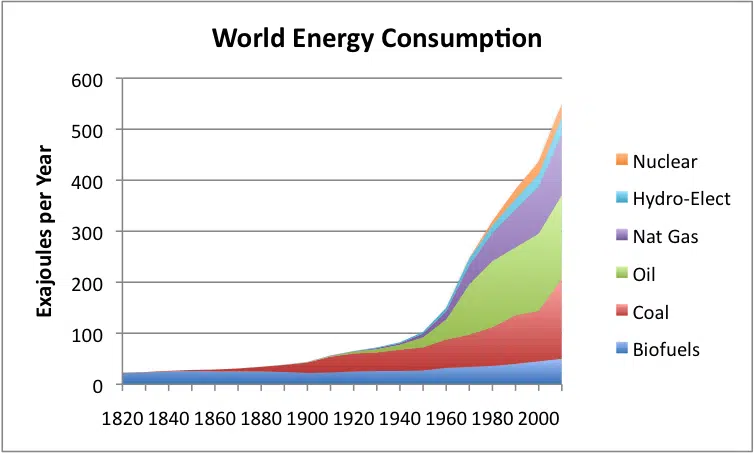
Did Malthus Get It Right After All?: Gail Tverberg


In 1798, British economist Thomas Malthus predicted that a continued population would strip the earth of its resources and eventually lend itself to famine and poverty. While his predictions have not materialised, at least not yet, his work and concept of scarcity and sustainability has many relevant lessons for us today as our world population of 7 billion struggles to cope with the increasing demands for food and fuel.

Published
Categorized as Markets

Emerging Economies to Contribute More to UN Budget


A group of emerging economic powers including China have agreed to increase their contribution to the United Nation’s coffers as countries such as Britain, Germany and Japan reel from the effects of the global financial crisis.

China Launches World’s Longest Bullet Train Service


China has officially opened the world’s longest high-speed rail network, spanning 2,298 kilometers from Beijing, the capital in the north, to Guangzhou, the southern commercial metropolis.

The opening of the new 2,298-kilometre (1,425-mile) line between Beijing and Guangzhou means passengers will be whisked from the capital to the southern commercial hub in just eight hours, compared with the 22 hours previously required.

The Broken BRIC: India Faces Economic Challenges


India has been labelled the weakest nation in the so-called BRIC alliance, evidenced by foreign investors forsaking the country for more promising emerging markets. Restrictive policies and slow infrastructure investment saw India grow at one of its slowest pace in 2012 and credit ratings agencies have signalled that India could be downgraded to junk status if nothing is done to restore its economic health. Overall, 2012 has been rough in terms of economic and political developments but are there better days ahead?

Published
Categorized as India

Infographic: Evolution of the American Economy


As we approach the New Year, concerns are mounting that the current budget impasse in Washington could trigger another recession in the world’s largest economy. From the Great Depression to the Great Recession, how has the American economy changed over the years?

A Risky New Era For Central Banking?: Mohamed El-Erian


The political paralysis over economic growth in several developed nations have effectively forced central banks to embark on a shift from their conventional monetary policies. But, the best that central banks can do for now is to buy time, while waiting for other policymaking entities to get their act together; and the new paradigm shift may present the greater risk of loss of credibility and political independence for institutions that are critical to well-managed economies.

Published
Categorized as Markets

How Shale May Change The Future Of Geopolitics: Robert D. Kaplan


The coming of shale gas will magnify the importance of geography. Countries that have considerable shale deposits will be better placed in the 21st century competition between states, and those without such deposits will be worse off – marking a new determinant in international power relations.

Published
Categorized as Markets
