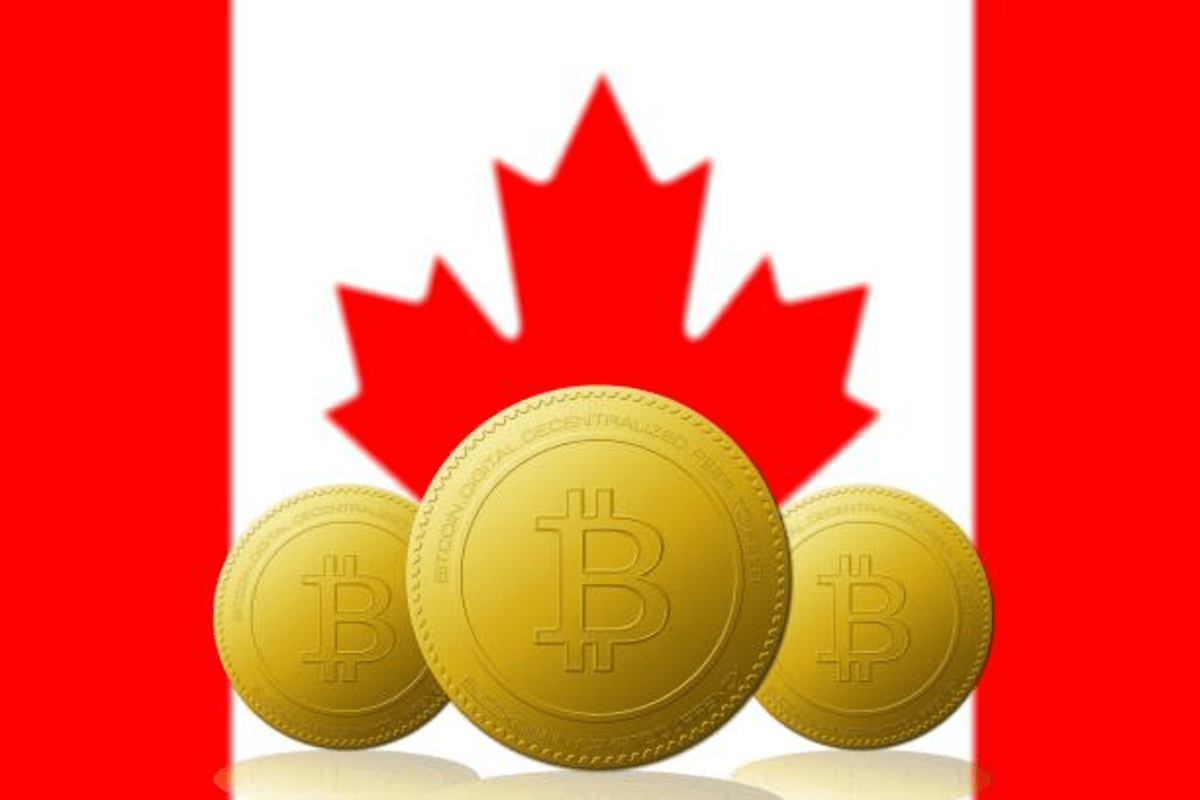
Please note that we are not authorised to provide any investment advice. The content on this page is for information purposes only. KPMG had on April 24 published its survey report, which showed that cryptocurrency exposure among Canadian institutional investors increased in 2023. This was a significant rise compared to the last bull run of… Continue reading KPMG Study Shows 39% of Canadian Institutional Investors Embrace Crypto Investments
Please note that we are not authorised to provide any investment advice. The content on this page is for information purposes only. On April 23, the United States Securities and Exchange Commission (SEC) delayed its decision on the proposed spot Ethereum exchange-traded funds (ETF) submitted by Grayscale and Franklin Templeton. Spot Ether ETF Applications Verdict… Continue reading Spot Ether ETF Approval Wait Continues as SEC Delays Decision on Two Filings
During the past week, U.S. spot Bitcoin exchange-traded funds (ETFs) experienced consistent net outflows, indicating that investors
Bitcoin, the leading cryptocurrency in the world, experienced its fourth block reward halving on April 19, 2024, marking a significant milestone in its history.
Ripple Labs has submitted an appeal to the US Securities and Exchange Commission’s (SEC) request that the company pay $2 billion in fines in the XRP case.
Please note that we are not authorised to provide any investment advice. The content on this page is for information purposes only. The United States Securities and Exchange Commission (SEC) filed a motion on April 19, requesting a $5.3 billion payment in disgorgement and civil penalties against Terraform Labs and its co-founder Do Kwon following… Continue reading US SEC Pursues $5.3B Penalty Against Terraform Labs and Do Kwon
Please note that we are not authorised to provide any investment advice. The content on this page is for information purposes only. On April 20, a group of Swiss Bitcoiners started a new push to persuade the Swiss National Bank (SNB) to add Bitcoin to its reserves. Their strategy involves a proposed referendum to amend… Continue reading Swiss Bitcoiners Push for Vote to Add Bitcoin to Swiss National Bank’s Balance Sheet
Please note that we are not authorised to provide any investment advice. The content on this page is for information purposes only. Bitcoin holders transferred $1.75 billion worth of BTC to accumulation wallet addresses in a single day as the BTC price plummeted below $63K earlier this week. The transfer was disclosed by CryptoQuant on… Continue reading Bitcoin Holders Shift $1.75 Billion to ‘Accumulation’ Wallets Amidst Dip
Please note that we are not authorised to provide any investment advice. The content on this page is for information purposes only. Apple is doubling down on other Asian countries as the company’s sales in China continue to be tepid. The structural US-China tensions are also prompting the iPhone maker to diversify its supply chain… Continue reading Apple Doubles Down on Other Asian Countries Amid China Troubles
Please note that we are not authorised to provide any investment advice. The content on this page is for information purposes only. Binance has recently converted its $1 billion Secure Asset Fund for Users (SAFU) into Circle’s dollar-pegged USDC stablecoin. This strategic move was disclosed by the exchange on April 18. Binance SAFU to Leverage… Continue reading Binance Converts $1Billion ‘SAFU’ Emergency Fund into USDC